Mold Remediation for Hammonton, NJ Homes
Request an estimate from a local provider
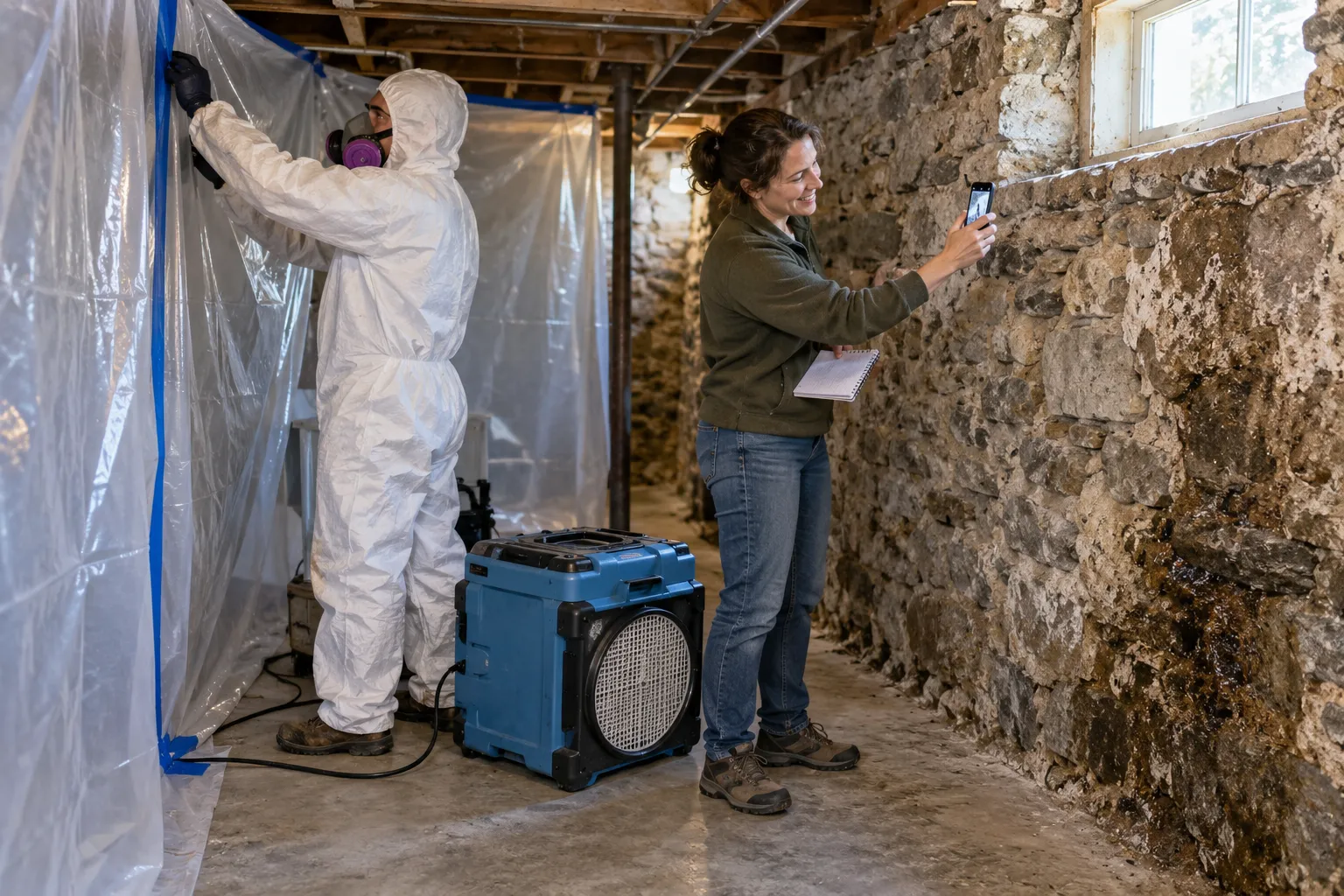
Mold remediation is more than a wipe-down. A provider contains the area, removes or cleans what mold has touched, and helps you find out why it grew. Without that last step, mold tends to come back.
Forgotdescription Mold Help is a referral service. We do not do mold work. We point homeowners in Hammonton and the Hammonton area to independent providers who do. We also push one habit: get your records in order first. Take photos before cleanup. Write down dates. Keep notes on leaks and storms. Clear records help providers write sharper estimates. They also make any insurance talk easier. Start with the page below, then request an estimate when you are ready.
Found Mold? Start Here
Stop the water. That is step one. Mold needs moisture to grow. Cut off the moisture and you stop it from spreading.
Then take photos. Then ask a provider for an estimate. Do not scrub it yourself first. Scrubbing can spread spores and erase the proof you may need later.
Forgotdescription Mold Help is a referral service. A local provider in our network does the actual work. We just help you get to the right door with your paperwork ready.
Photos Before Cleanup
Photos before cleanup. Say it twice if you need to.
Shoot wide shots of each room. Then shoot close-ups of the mold, stains, and wet spots. Add a coin or a ruler for scale. Note the date on each set.
Write down what you know. When did you first smell it? Did a pipe leak? Did a storm push water in? Short notes are fine. Providers use them to size up the job. Insurers may ask for them too.
Why Mold Gets Worse Over Time
Mold does not sit still. Given damp drywall, wood, or insulation, it keeps spreading. It can creep behind walls where you cannot see it.
The longer it grows, the more material it touches. More material means more to remove. That usually means a bigger bill.
It can also affect air quality in the home. If someone has asthma, allergies, or a weak immune system, talk to a doctor about symptoms.
What Mold Remediation Includes
The steps vary by job. Most providers cover the same core tasks:
- Check the size of the problem and where the moisture comes from
- Set up barriers and airflow control
- Remove materials that cannot be cleaned, like soaked drywall
- Clean and treat surfaces that can be saved
- Dry the space fully
- Check that the work did its job
This is residential mold removal in plain terms. A heavy dark growth may call for black mold remediation. The steps are close to the same. The care level goes up.
Why Containment Matters
Disturbed mold sends spores into the air. Without barriers, they land in clean rooms and start new patches.
Providers often use plastic sheeting, sealed doors, and negative air machines. Air scrubbers with HEPA filters pull spores from the air. Ask your provider how they will contain the work. A clear answer is a good sign.
Fix the Moisture Source
Cleaning without a water fix is a short-term win. The mold returns.
Common causes include roof leaks, plumbing drips, poor venting, and groundwater seeping in. A provider may spot the cause or suggest a plumber, roofer, or drainage pro. Remediation and the moisture repair are sometimes separate jobs. Ask which parts are in the estimate.
How the Seasons Play Out Here
Weather sets the clock.
Winters in the Hammonton area are cold and snowy. Warm indoor air meets cold walls and attic roofs. Condensation forms. Mold likes that.
Freeze-thaw cycles crack mortar and foundations. Spring snowmelt then pushes water toward basement walls. Coastal storms can drive rain through weak spots, too.
So check basements and attics after each big thaw or storm. Fall is a smart time to look, before the heat goes on and windows stay shut.
Older Homes and Stone Foundations
Many homes here are older. Full basements are common. So are stone and block foundations, which can let moisture wick through.
Cape Cod style homes often have tight attic spaces and knee walls that hold damp air. Multi-family buildings add shared walls and shared plumbing. A leak next door can become your mold problem.
Tell the provider your home type. It shapes the plan.
Working With Your Insurance
Check your policy. Some policies may cover sudden damage, like a burst pipe. Slow leaks and neglected damp are often treated differently. Coverage varies a lot.
Providers can often help document damage for a claim. Your own photos, dates, and notes do the heavy lifting. Keep receipts, too. Talk to your insurer before you sign anything big.
If you want to check provider availability, Request a callback and ask what records to have ready.
Choosing a Remediation Provider
If you have searched mold inspection near me, you know the list is long. Narrow it down.
- Ask for a written scope of work
- Ask how they contain the area
- Ask if they test before and after, and who does it
- Ask what is and is not included
- Ask about the moisture fix
- Check their license and insurance on your own
Some homeowners also want certified mold testing from a separate, independent tester. That can keep the check honest. It is your call.
Get It in Writing
Get it in writing. Scope, price, timeline, and what happens if more mold shows up behind a wall.
Compare at least two quotes. If one is far off from the rest, ask why. Do not rush into a deal because someone says time is short. Urgent does not mean sloppy.
After Remediation
Keep your records. Save the final report, photos, and receipts in one folder.
Check the area over the next few weeks. Watch for musty smells, new stains, or damp spots. Run a dehumidifier in damp basements. Keep indoor humidity below about 50 percent when you can.
When you are ready, request an estimate and start the process with a provider.
What's Included
Moisture and Damage Check
The provider finds where the mold is, how far it spread, and what is feeding it.
Containment and Air Control
Barriers and filtered air machines help keep spores from drifting into clean rooms.
Removal and Cleaning
Soaked materials come out. Salvageable surfaces are cleaned and treated.
Drying and Final Check
The space is dried fully, then reviewed to confirm the work held up.
Typical Mold Remediation Costs
Prices vary by size, material, and how hard the area is to reach. These are typical U.S. ranges only. Your job may land outside them. Always get a written quote before work starts.
| Item | Typical range | Notes |
|---|---|---|
| Small area (under 10 sq ft) | $500 – $1,500 | Often a bathroom wall or closet corner |
| One room | $1,500 – $4,000 | More if drywall must be replaced |
| Basement | $3,000 – $8,000 | Size and moisture level change the price |
| Attic | $2,000 – $6,000 | Roof leaks and poor venting are common causes |
| Air scrubbers and containment | $500 – $2,000 | Sometimes bundled in the quote |
| Whole-home or multiple areas | $10,000 – $30,000 | Large or hidden growth raises the price |
How It Works
Stop the water
Fix or shut off the leak if you safely can. Mold cannot grow well without moisture.
Photos and notes
Take photos before cleanup. Write down dates, smells, and past leaks or storms.
Request an estimate
Share your records with a local provider and ask for a written scope of work.
Compare and decide
Check quotes, ask about containment, and get it in writing before work begins.
Why Call Forgotdescription Mold Help
Records First
We push you to gather photos, dates, and notes before any cleanup starts, so estimates are sharper.
Independent Providers
Local providers in our network do the work. We are a referral service, not a contractor.
Plain Answers
Short, direct guidance on what to do first, what to ask, and what to get in writing.
Local Weather Sense
Snowmelt, freeze-thaw, and coastal storms shape mold here, and timing matters.
Other Services
Need mold remediation in Hammonton?
Tell us what you see, where, and since when. A local provider in our network can follow up with next steps. Request an estimate anytime.
No obligationMold Remediation FAQ
How much does mold remediation cost?
Typical U.S. ranges run from about $500 for a small spot to $10,000 or more for large jobs. Size, materials, and the moisture source all matter. Get a written quote before you agree.
Can I remove mold myself?
Very small surface spots on hard materials, maybe. Larger growth, mold in drywall, or dark widespread patches should go to a provider. Scrubbing can spread spores, so take photos first and ask for advice.
Does homeowners insurance cover mold remediation?
It depends on your policy. Some policies may cover sudden damage, such as a burst pipe, while slow leaks are often treated differently. Check your policy, and keep photos, dates, and receipts organized for any claim.
Request a callback
Tell us what you see, where, and since when. A local provider in our network can follow up with next steps. Request an estimate anytime.
No obligation