Mold Inspection and Testing for Your Home
Request an estimate from a local provider
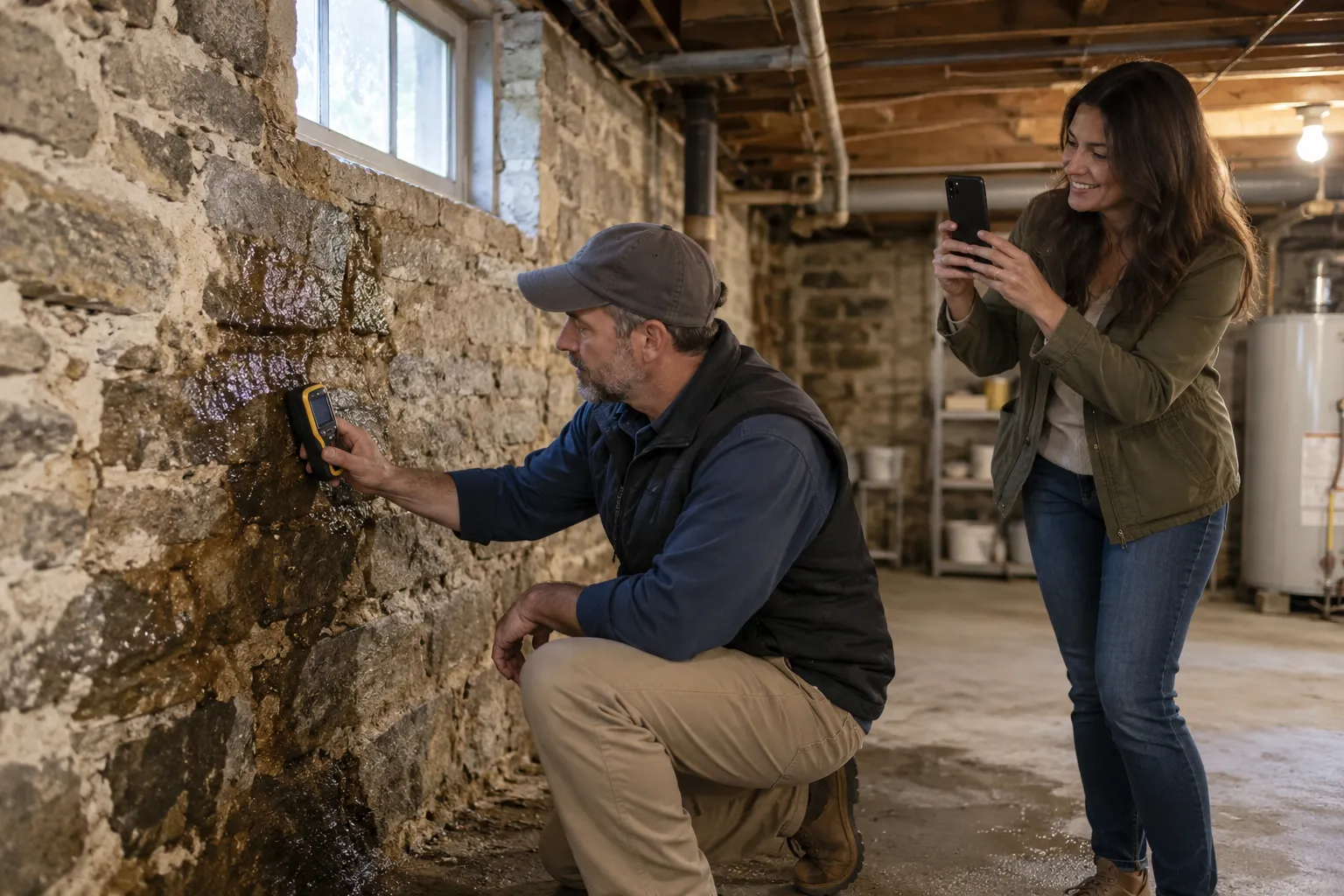
Not sure if that stain is mold? An inspection gives you a straight answer. A local provider checks the area, reads moisture levels, and may take samples. You get facts instead of guesses.
Forgotdescription Mold Help is a referral service. It does not inspect or test anything itself. It connects homeowners in the Hammonton area with independent providers who do. Before anyone visits, take photos and write down dates. Clear records help the provider quote the job. They also help if you talk to your insurer later. If you are searching for certified mold testing, ask each provider what training and lab partners they use. Get the scope and price in writing.
Think you have mold? Start here
Stop the water first. Mold needs moisture to grow. Fix the leak or dry the damp spot before anything else.
Then take photos. Photos before cleanup. Do not scrub, bleach or paint over it. A provider needs to see what you saw.
Mold inspection near me: what you are really asking
Most people typing that want one answer. Is this mold, and how bad is it? An inspection answers that.
A local provider looks at the space, measures moisture, and explains what they find. Forgotdescription Mold Help does not do the inspection. It connects you with providers who do.
When an inspection makes sense
Book one if any of these fit:
- A musty smell that will not go away
- Dark or fuzzy spots on walls, ceilings or window frames
- A past leak, flood or ice dam
- Peeling paint or bubbling drywall
- You are buying or selling a home
- Someone in the home feels worse indoors
You do not need to see mold to have a problem. Hidden mold behind walls is common.
Why cold and wet seasons matter
Winter keeps windows shut. Moist air has nowhere to go. It collects on cold walls and in attics.
Spring snowmelt pushes water toward foundations. Coastal storms drive rain through weak spots. Older homes with stone and block foundations often seep. Full basements stay damp for weeks after a thaw.
Time it before the next wet stretch
An inspection in fall or late winter gives you room to plan. You learn what is there before the melt hits.
Waiting for a crisis is harder. Providers get busy after big storms. Many can respond quickly, but availability varies. Request a callback to check provider availability in your area.
What happens during a mold inspection
The visit is mostly looking and measuring. A typical provider will:
- Walk the home and ask where you saw water or smelled mold
- Check walls, ceilings, basements, attics and crawl spaces
- Use a moisture meter, and sometimes a thermal camera
- Take photos and notes
- Collect samples if needed
Most visits take a few hours. Larger or older homes can take longer.
Types of mold testing
Not every job needs a lab test. The provider decides based on what they see.
Air samples
A pump pulls air through a small device. A lab counts the spores. An outdoor sample is taken for comparison.
Surface samples
A swab or tape lift picks up material from a stain. The lab names the type of mold.
Bulk samples
A small piece of drywall, wood or insulation goes to the lab. This shows what is growing inside the material.
If you want certified mold testing, ask who analyzes the samples. Ask what credentials the provider and the lab hold. Get answers in writing.
Understanding your results
The report lists mold types and amounts. It is not a pass or fail grade. There is no one safe number that fits every home.
Look at how indoor results compare with outdoor ones. Ask the provider to explain the findings in plain words. Ask what they recommend next.
What about black mold?
Color alone does not tell you the type. Dark mold is not always the toxic kind, and light mold is not always harmless.
Only a lab can name the species. If you see dark growth, do not disturb it. Have it checked.
Inspection and remediation: separate or together?
Some providers do both. Others only inspect. Both setups can work.
A separate inspector has no stake in the cleanup job. That can give you a second view. A provider who does both may be simpler to schedule. Ask how they handle it. Get it in writing.
Get your paperwork in order
Records make everything easier. Gather these before the visit:
- Dated photos of stains, leaks and damage
- Notes on when you first noticed the problem
- Past repair receipts and plumber invoices
- Any earlier test reports
Some policies may cover sudden damage. Check your policy. Providers can often help document damage for a claim. Keep every report and invoice.
How to prepare for your inspection
- Clear access to the basement, attic and closets
- Move stored boxes away from suspect walls
- Keep windows and doors closed for a few hours before air sampling, if asked
- Do not clean the area first
- Have your photo folder ready
Pets should be kept in a quiet room. Make a short list of your questions.
Questions to ask the provider
- What training and credentials do you hold?
- Which lab will analyze the samples?
- What will the written report include?
- How many samples do you plan, and why?
- What is the full price, and what does it cover?
- Can you help document the damage for my insurer?
Ready for the next step
Pick a time that fits your calendar and the weather. Then take your photos and write your notes.
Use the request form to ask for an estimate. A local provider will take it from there.
What's Included
Visual Check
The provider looks over walls, ceilings, basements and attics for stains, damp spots and signs of past leaks.
Moisture Readings Taken
A meter finds damp areas you cannot see, including behind walls and under floors.
Lab Samples When Needed
Air, surface or material samples go to a lab to name the mold type.
Written Report
You get notes, photos and results on paper, useful for estimates and any insurance talks.
What mold testing typically costs in the U.S.
Prices vary by home size, number of samples and region. These are typical U.S. ranges only. Ask each provider for a written quote that lists exactly what is included.
| Service | Typical range | Notes |
|---|---|---|
| Visual inspection only | $300 – $500 | Often includes moisture readings |
| Inspection with lab samples | $450 – $1,000 | Depends on sample count |
| Single air sample | $50 – $150 | Outdoor comparison sample adds cost |
| Surface swab or tape lift | $40 – $100 | Per sample, lab fee often extra |
| Thermal imaging add-on | $200 – $600 | Helps find hidden moisture |
| Post-cleanup clearance test | $200 – $600 | Checks that cleanup worked |
How It Works
Stop the water
Fix the leak or dry the wet spot. Mold cannot keep growing without moisture.
Photograph everything
Take dated photos before any cleanup. Add notes on when and where you noticed it.
Request an estimate
Tell Forgotdescription Mold Help about the problem and a provider in our network will reach out.
Review the written report
Read the results with the provider, ask questions, and keep every document.
Why Call Forgotdescription Mold Help
Answers First
You learn whether it is mold, where it is, and what is feeding it before spending on repairs.
Sharper Estimates
A written report lets providers quote the actual job instead of guessing the size.
Records Ready
Photos, readings and lab results give you clean documents for any insurance conversation.
Local Providers
You reach independent providers who know area homes, damp basements and seasonal moisture.
Other Services
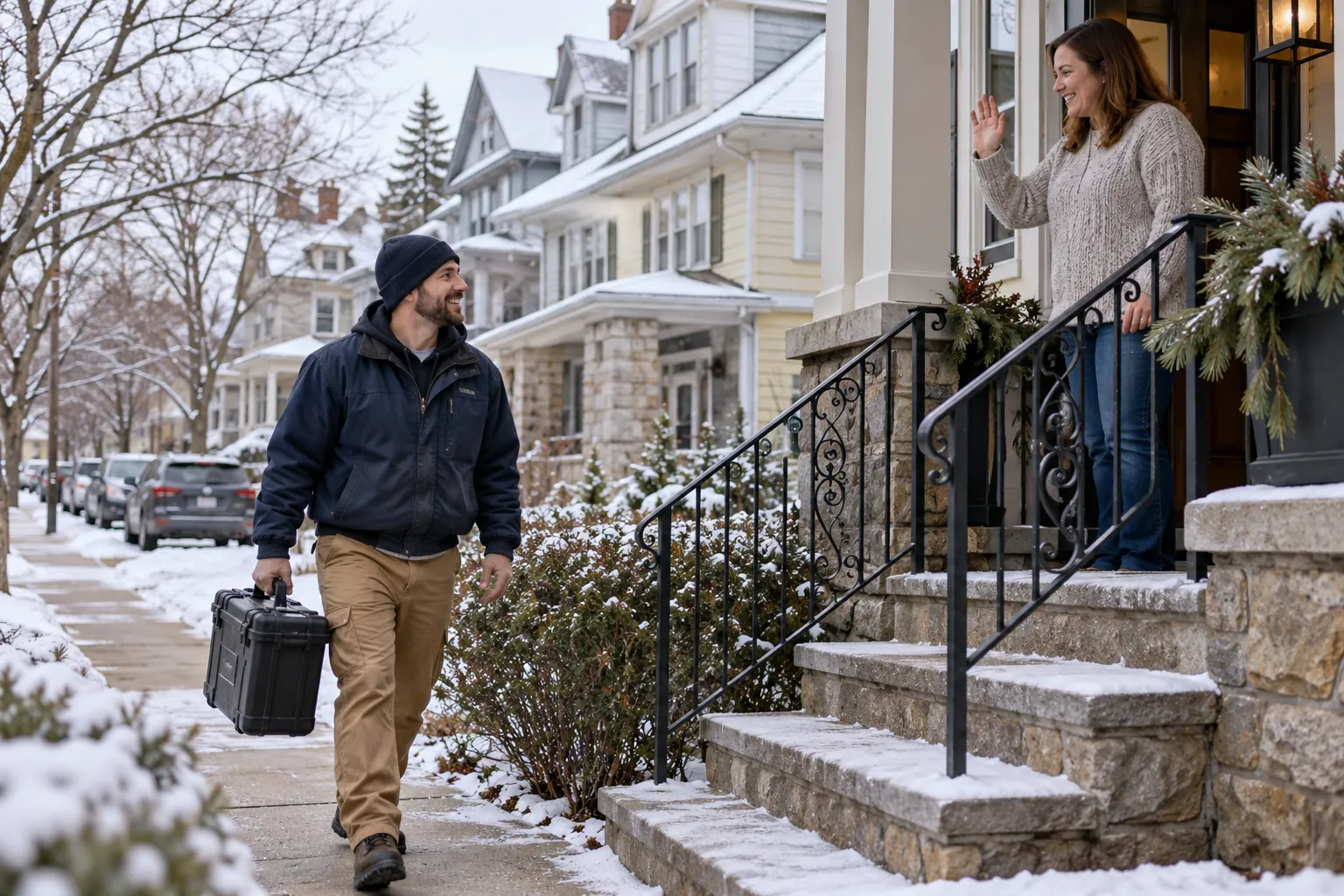
Need mold inspection and testing in Hammonton?
Tell us what you see, where, and since when. A local provider in our network can follow up with next steps. Request an estimate anytime.
No obligationMold Inspection and Testing FAQ
How much does a mold inspection cost?
Typical U.S. prices run from a few hundred dollars for a visual inspection to around a thousand with lab samples. Costs vary by home size and sample count. Ask for a written quote that lists everything included.
Do I need a mold test if I can see mold?
Not always. The provider may confirm it by sight. Testing helps when you need to name the type, find hidden growth, or check that cleanup worked.
Will my insurance pay for a mold inspection?
It depends on your policy and the cause. Some policies may cover sudden damage, such as a burst pipe. Slow leaks are often treated differently. Check your policy and keep photos, notes and reports.
Request a callback
Tell us what you see, where, and since when. A local provider in our network can follow up with next steps. Request an estimate anytime.
No obligation