Black Mold Removal Services in Hammonton, NJ
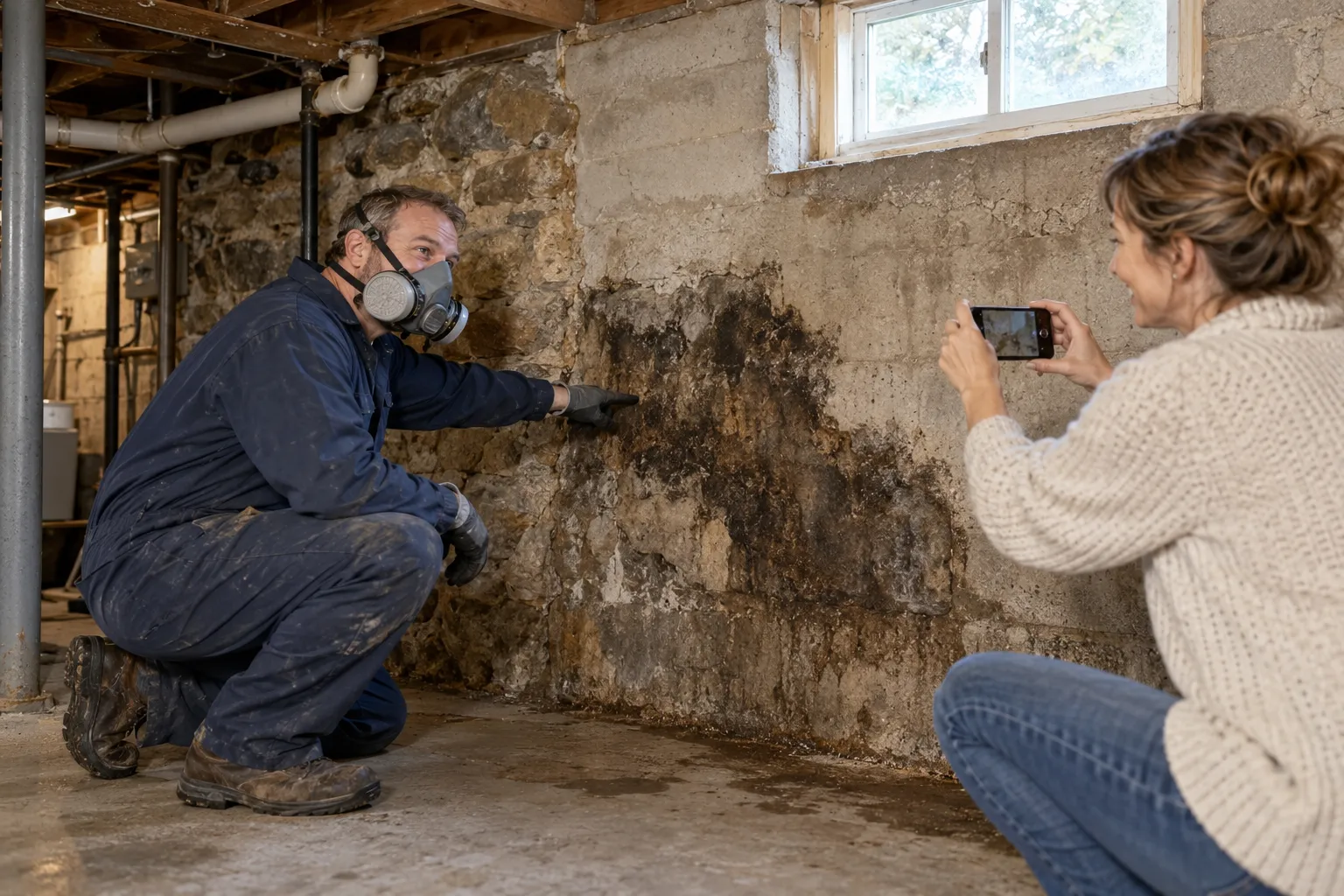
Black mold removal means taking out the dark growth and fixing the damp that feeds it. Forgotdescription Mold Help does not do this work. It connects homeowners in Hammonton and the Hammonton area with independent local providers who do.
Start with records. Take photos before any cleanup. Jot down a few notes on dates, leaks and spots where you smell mustiness. Clear records help a provider write a sharper estimate, and they help if you talk to your insurer. Some policies may cover sudden damage, so check your policy.
Seasons matter here too. Snowmelt, freeze-thaw cycles and coastal storms push water into older homes. That water often hides in walls, attics and crawl spaces. A provider can look for the source, test the air or surfaces if needed, and explain the steps in plain words.
Typical U.S. costs vary a lot by job size and by how deep the damage goes. Always get a written quote before any work begins.
Found Black Mold? Start Here
Don't scrub it. Don't brush it. Don't blast a fan at it. That throws spores into the air and into other rooms.
Do this instead. Stop the water if you can. Keep kids, pets and anyone with breathing trouble away. Then take photos.
A local provider can take it from there. Request a callback to check provider availability in the Hammonton area.
Photos Before Cleanup
Photos come first. Once the area is cleaned, the proof is gone.
Take these shots:
- A wide shot of each affected room
- Close-ups of the growth, with a coin beside it for scale
- The likely source: a stain, a drip, a damp wall
- Any damaged items, before they are moved
Then write short notes. When did you first see it? Was there a leak, a storm or a thaw? Did anyone repair something nearby? Dates matter. Keep it all in one folder.
What Is Black Mold?
"Black mold" usually points to a dark green or black growth that looks slimy or sooty. Many molds look dark, though. Color alone proves nothing.
The only way to know the type is testing. Ask a provider about certified mold testing if you want a clear answer. If you search for mold inspection near me, you will find providers who do that step. It has its own page on this site.
Where Black Mold Shows Up
It likes wet, slow-drying spots. In local homes, check these first:
- Basement walls, especially stone and block foundations that wick moisture
- Behind boxes and furniture pushed against cold exterior walls
- Knee walls and eaves in Cape Cod style attics
- Walls shared between units in multi-family homes
- Under sinks, around tubs and behind washers
- Ceilings under old roof leaks
Older housing stock has more gaps, more history and more hidden damp. A musty smell with no visible growth is still a clue.
Why the Seasons Change the Timing
Winter brings freeze-thaw cycles. Water gets into small cracks, freezes, and opens them wider. Spring snowmelt then sends water toward foundations. Coastal storms add wind-driven rain.
Mold shows up weeks after the water does. So spring and early summer are common times to find it.
Fall is a smart time to act. You can dry out and fix the source before heating season shuts the windows. Providers get busy after big storms, so earlier is easier.
Why Bleach Usually Isn't Enough
Bleach may fade a stain. It rarely solves the problem.
- It does little on porous things like drywall, wood and insulation
- The water in it can feed growth below the surface
- It does not fix the moisture that started it
- Dead spores can still bother sensitive people
If the damp stays, the mold returns. That is why providers focus on removal plus drying.
How Black Mold Removal Works
The steps vary by job. A typical residential mold removal looks like this.
1. The provider inspects and marks the affected area. 2. They seal it off with plastic sheeting and set up air filtration. 3. Soaked or heavily affected porous materials are cut out and bagged. 4. Solid surfaces are cleaned with HEPA vacuums and damp wiping. 5. The area is dried fully. 6. A final check confirms the work is done. Some jobs add testing.
Small patches may be simple. Large or hidden growth is a bigger job. Black mold remediation done right is slow on purpose.
Fixing What Caused It
Removal without a fix is a repeat job. Ask what caused the moisture and how it will be handled.
Common fixes include patching a leak, clearing gutters, grading soil away from the foundation, sealing basement cracks, adding a dehumidifier or venting a bath fan outside. Some are plumbing or roofing work. The mold provider may point you to another trade.
Your Belongings
Hard items, like glass, metal and plastic, can often be cleaned. Soft items are harder. Rugs, couches, mattresses and cardboard may be too far gone.
Don't toss anything before you photograph it. List what is damaged and keep the list. Ask the provider what can be cleaned on site and what should go.
Insurance and Your Records
Some policies may cover sudden damage, like a burst pipe. Slow leaks are often treated differently. Check your policy and talk to your insurer.
Providers can often help document damage for a claim. Your photos, notes and dated receipts make that easier. Keep every estimate and invoice.
Questions to Ask the Provider
- Will you inspect before quoting?
- What area will be contained?
- How will you handle the moisture source?
- Is testing included before or after?
- What is the timeline?
- Who handles rebuilding?
- Is the quote itemized?
Get It in Writing
Ask for a written estimate with scope, materials and price. Compare two or three. Wide gaps often mean different scopes, so ask why.
Ready to compare? Request an estimate and have your photos handy.
What Happens After You Reach Out
Forgotdescription Mold Help does not do the cleanup. It points you to independent providers in your area. They set the schedule, the price and the work plan. Many providers can respond quickly, but availability varies.
Request a callback to talk it through. Keep your photos and notes close.
What's Included
Containment and Air Filtration
Plastic barriers and HEPA filters help keep spores from spreading to clean rooms.
Removal of Damaged Materials
Soaked drywall, insulation or wood that can't be cleaned gets cut out and bagged safely.
Cleaning
Solid surfaces are HEPA vacuumed and wiped down. Dry and verified before rebuilding starts.
Moisture Source Advice
Providers point out the leak or damp spot behind the mold, so it stays gone.
Typical Black Mold Removal Costs
Prices vary a lot by size, access and damage. These are typical U.S. ranges, not quotes. Always get a written, itemized quote from the provider before work begins.
| Item | Typical range | Notes |
|---|---|---|
| Small patch cleanup | $450 – $1,500 | Single wall or small area, easy access |
| Whole-room removal | $1,500 – $4,000 | Includes containment and cleaning |
| Basement or crawl space | $2,500 – $10,000 | Larger area, often tied to moisture |
| Drywall and insulation removal | $1,000 – $3,500 | Added when materials are soaked |
| Air scrubbing and drying | $500 – $2,000 | Depends on days of equipment |
| Testing before or after | $300 – $1,000 | Varies by number of samples |
How It Works
Stop the Water
Shut off the leak or dry the damp area if it is safe. Mold needs moisture to grow.
Photos Before Cleanup
Shoot wide and close photos, then add dated notes. Don't touch or clean the growth.
Request an Estimate
Share your photos with a local provider and ask for a written, itemized quote.
Removal, Drying and Final Check
The provider contains, removes, cleans and dries. Then they confirm the area is ready.
Why Call Forgotdescription Mold Help
Records Make Estimates Sharper
Dated photos and notes help providers see the problem and quote the right scope.
Local Providers
You get pointed to independent providers who know older homes, damp basements and winter weather.
Plain Process
Short steps, clear questions, and a written quote to compare before you decide anything.
No Obligation
Request an estimate and read it over. You decide whether to move forward or not.
Other Services
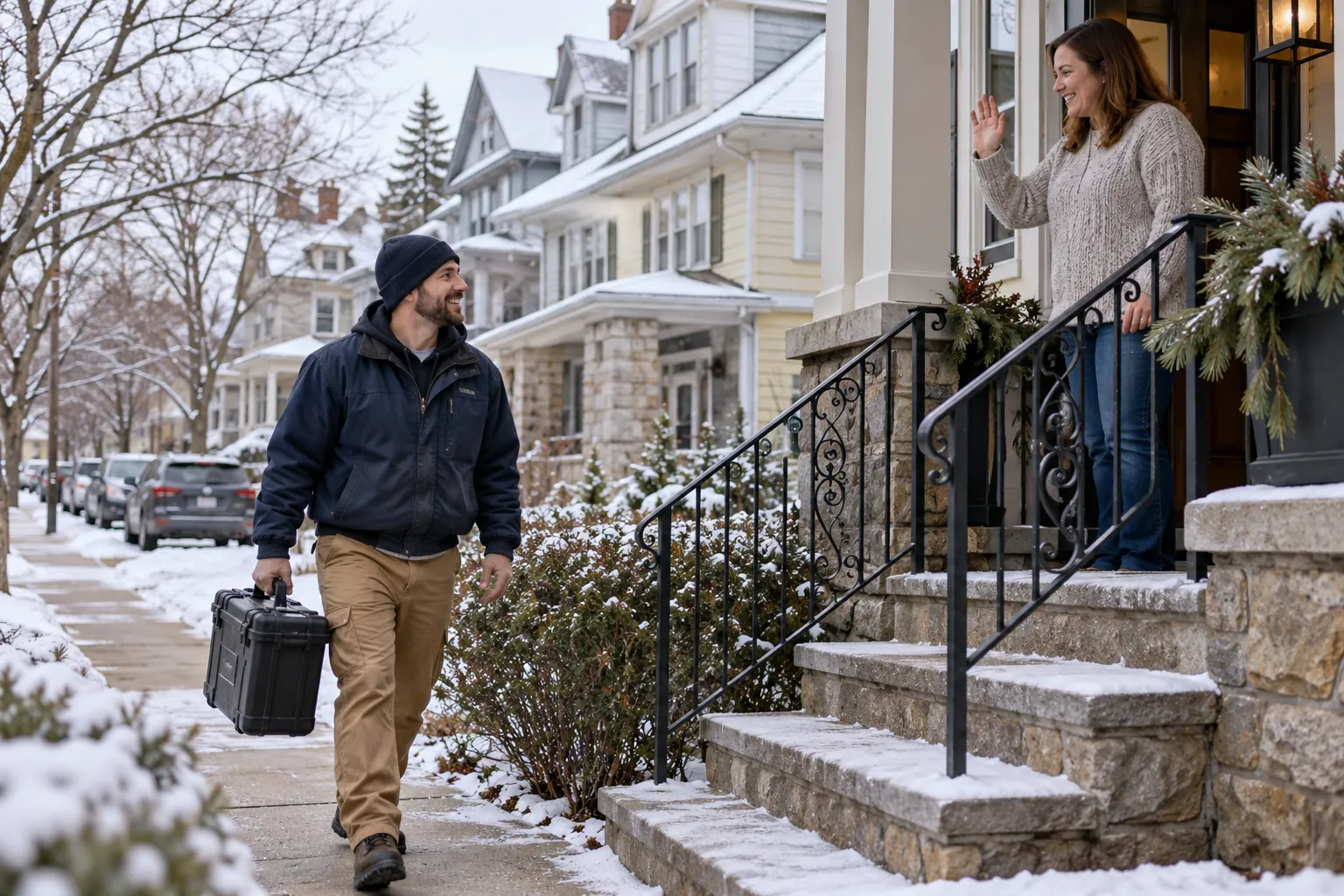
Need black mold removal services in Hammonton?
Tell us what you see, where, and since when. A local provider in our network can follow up with next steps. Request an estimate anytime.
No obligationBlack Mold Removal Services FAQ
Can I remove black mold myself?
A tiny patch on a hard surface may be manageable with gloves and a mask. Larger or hidden growth, or soaked drywall, is safer left to a provider. Scrubbing can spread spores through your home.
How do I know if it is really black mold?
You can't tell by color. Many molds look dark. A provider can inspect the area and take samples for testing. Photos and notes about where it grows help them decide what to check.
Will insurance pay for black mold removal?
Maybe. Some policies may cover sudden damage, such as a burst pipe. Slow leaks are often treated differently. Read your policy and talk to your insurer. Photos, notes and receipts make that talk easier.
Request a callback
Tell us what you see, where, and since when. A local provider in our network can follow up with next steps. Request an estimate anytime.
No obligation